Every workplace experiences conflict.
Not every workplace measures its impact.
Across my mediation work, my survey Navigating Workplace Tension for the business events industry, and the recent publication of insights from the Swiss Mediation Prize panel in Perspective Mediation, one truth is clear:
The cost of workplace conflict rises long before the conflict becomes visible.
Unspoken disagreements, subtle tension, and relational friction quietly erode performance, trust, and well-being. Yet organisations rarely treat these factors as measurable indicators.
The Real Cost of Workplace Conflict: What Recent Studies Show
Recent Swiss findings reveal that unresolved interpersonal tension contributes significantly to:
mental-health related sick leave
burnout
long-term absence
employment termination
These patterns mirror the results of our own research, where business events professionals reported:
time lost navigating friction
emotional exhaustion
hesitation to address issues early
reduced creativity and collaboration
strained team dynamics
Despite this, the costs of unresolved conflict rarely appear on dashboards or KPI systems, even though they directly influence productivity and organisational health.
Why Interpersonal Tension Often Goes Unaddressed
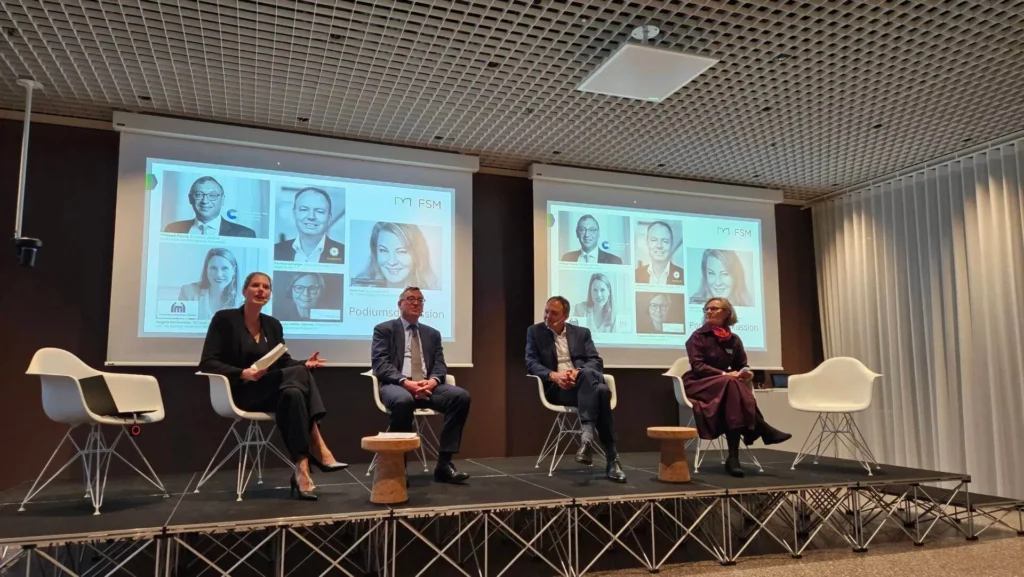
The publication in Perspektive Mediation summarised the panel discussion of last year’s Swiss Mediation Prize, where we contributed as an expert panellist.
Across the conversation, several structural challenges became clear:
conflict remains a taboo in many organisations
leaders lack a clear roadmap for early intervention
processes are often too formal or too late
conflict-related costs are not measured
positive success stories are seldom shared
Without data, organisations underestimate the seriousness of interpersonal tension and avoidable costs continue to rise.
You Cannot Improve What You Don’t Measure
Measuring the cost of workplace conflict is not about producing reports.
It is about generating clarity, clarity that enables:
early, safe intervention
better leadership decision-making
healthier communication patterns
targeted team support
measurable progress
Our survey revealed that teams need:
accessible support
defined responsibilities
a transparent conflict process
normalised, facilitated conversations
When companies begin to measure what tension really costs in time, energy, performance, and well-being, they gain the insight needed to respond proactively.
Reducing the Cost of Workplace Conflict
Organisations effectively reduce conflict costs by investing in three core areas:
Proactive dialogue support
Clear accountability structures
Facilitated conversations that normalise disagreement
Healthy conflict can fuel innovation.
Unhealthy conflict drains people, performance, and resources.
The goal is not to eliminate conflict, but to handle it early and constructively.
How we support organisations
We work with leadership teams and HR departments through:
conflict management workshops
structured team diagnostics
tailored conflict process design
on-call workplace mediation
facilitated conversations during change processes
tools to identify and measure conflict-related costs
If you would like to understand and reduce the cost of workplace conflict in your organisation, we would love to support you.